


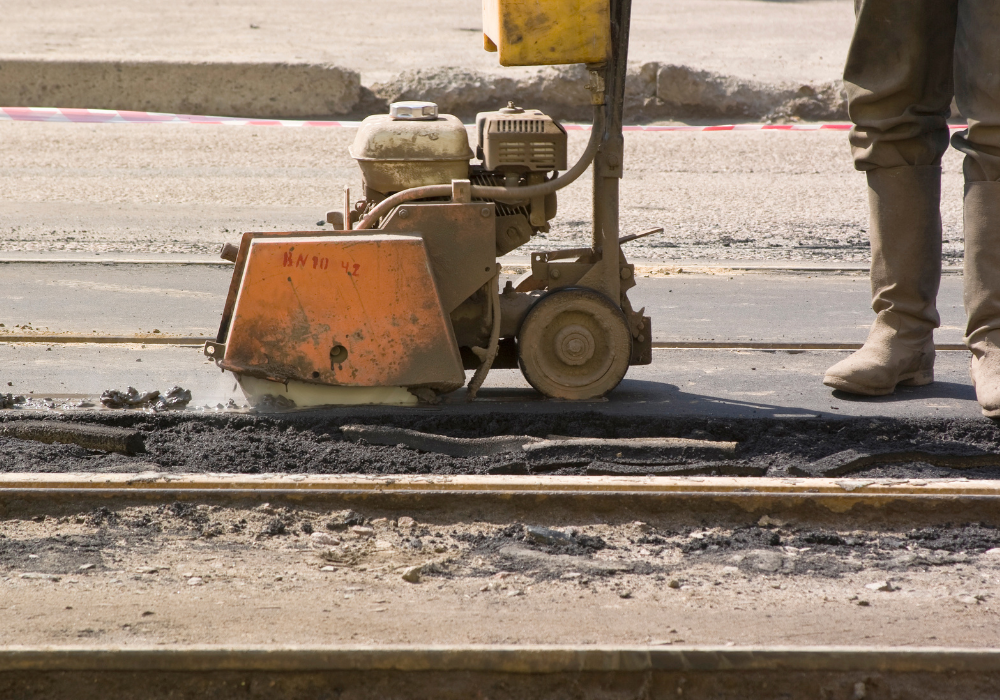
Kenya: work begins on the El Wak-Modogashe road, the backbone of regional development
Infrastructure crucial to the transformation of northeastern Kenya
The Kenya National Highways Authority (KeNHA) has launched construction work on the El Wak-Modogashe road, a 749-kilometer section of the Isiolo-Mandera corridor, considered to be one of the most important infrastructure projects for Kenya’s development by 2030. The project receives financial support from the World Bank and the African Development Bank (AfDB), as part of the Horn of Africa Gateway Development Project (HoAGDP).
A regional ambition: open up, connect, develop
Located in the north-east of the country, this strategic road aims to open up historically marginalized areas, while strengthening regional connectivity with neighboring countries such as Somalia andEthiopia. The Isiolo-Mandera corridor is also connected to LAPSSET, a regional integration project that includes the port of Lamu.
According to local press reports, preparatory activities are already underway, including site reconnaissance, environmental impact studies, community meetings and logistical mobilization. The El Wak-Modogashe section, once reduced to a dirt track with difficult access, is a priority link in this network.
Massive financing and an integrated vision
The project is financed to the tune of $971 million, including $756.3 million from the World Bank for the modernization of 365 kilometers of main and secondary roads. The AfDB is contributing $215 million. The infrastructure comprises several segments: Isiolo-Kulamawe-Modogashe, Modogashe-Wajir, Wajir-Kutulo-El Wak, and El Wak-Rhamu-Mandera.
In addition to the road component, the project includes technological and customs components: installation of fiber optics, modernization of checkpoints and customs posts, deployment of digital services and road safety awareness programs. These advances should help to improvedigital inclusion andaccess to education, and stimulate local economies, particularly in pastoral sectors.
Operational challenges to overcome
Completion of the project, scheduled for June 2028, still faces a number of risks and uncertainties. Among them: security threats linked to the presence of the Al-Shabaab group in certain areas, extreme climatic conditions such as seasonal flooding, and administrative blockages, which have already delayed certain milestones.
Conclusion
The launch of work on the El Wak-Modogashe road represents a major step forward in Kenya’s ambition to open up its outlying regions, stimulate economic growth and strengthen regional integration. The project embodies a long-term development vision, combining infrastructure, digital connectivity and regional cooperation. Its success, however, will depend on the authorities’ ability to manage security risks, maintain logistical focus and guarantee the sustainability of investments in a historically neglected area.


