


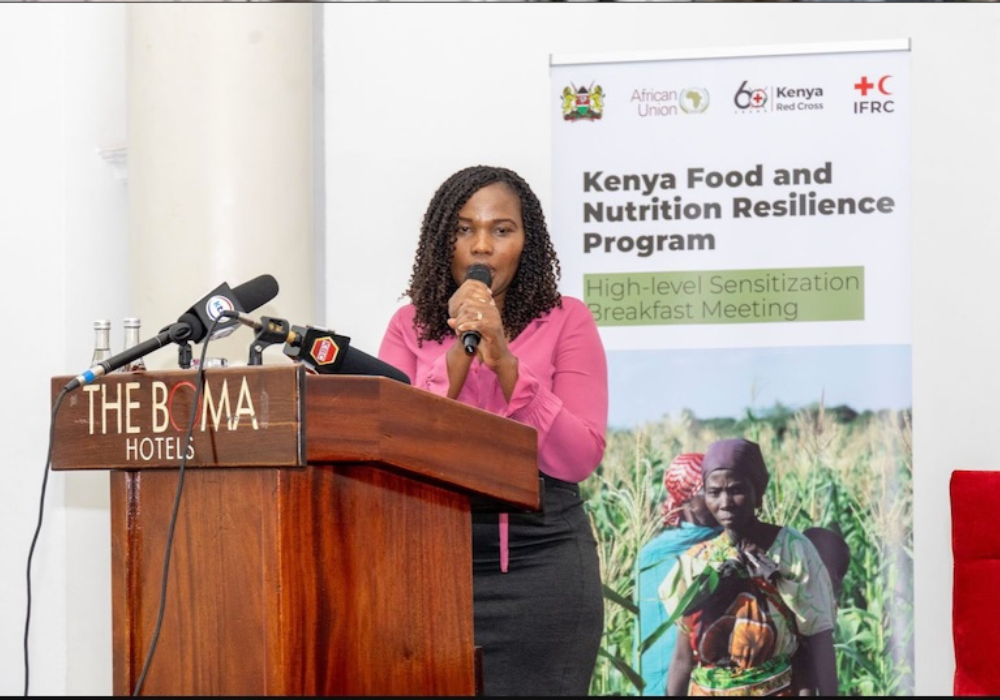
Kenya: $5 billion program to boost food and nutrition security over 10 years
A response to the nutritional emergency in arid zones
On March 21, 2025, the Kenyan government officially launched an ambitious ten-year program called the Food and Nutrition Resilience Programme (FNRP), aimed at boosting food and nutrition security in the country. Estimated to cost $5 billion, the plan targets 5 million vulnerable people in 24 arid and semi-arid counties (ASAL).
Implemented in partnership with major players such as the Kenyan Red Cross and the African Union, the program focuses on improving access to sustainable livelihoods, building climate resilience, andproviding clean drinking water, the cornerstone of sustainable local self-reliance.
Strengthening local communities and systems
The FNRP aims not only to combat malnutrition, but also to tackle the structural causes of food insecurity, notably through support for resilient agriculture, the development of local value chains and the direct involvement of the communities concerned.
“This program puts communities at the heart of decision-making and strengthens both local institutions and public-private partnerships to ensure its sustainability,” stressed Ahmed Idris, secretary general of the Red Cross in Kenya.
Emphasis is also placed onempowering local populations by diversifying their livelihoods and creating climate-friendly economic opportunities.
A still worrying food situation
This initiative comes at a time of high food insecurity. According to the latest data published by the World Food Programme (WFP), 2.15 million Kenyans are currently acutely food insecure.
Child and maternal malnutrition remains alarmingly high, with over 800,000 children under the age of 5 and more than 120,000 pregnant or breastfeeding women in need of emergency nutritional care. The worst-affected regions include Samburu, Turkana, North Horr, Mandera and Tiaty.
A bleak climate outlook
Forecasts by theNational Drought Management Authority (NDMA ) indicate that dry conditions will persist in 2025 in the majority of ASAL counties, with irregular or insufficient rainfall expected in areas such as Kajiado, Narok, and parts of Nyeri, Taita Taveta and Laikipia. This climate is likely to slow down the program’s progress if adaptation measures are not stepped up.
Conclusion: Ambition that meets the challenge, but needs to be translated into reality
The FNRP represents a major step forward in Kenya’s food resilience strategy, targeting both the emergency and the root causes of nutritional insecurity. But the success of the program will depend on its effective implementation, the ability to mobilize the promised funding, and above all the coherence of public policies in the face of recurring climate shocks.
This program could become a model for East Africa, provided it combines good governance, agricultural innovation and community inclusion.


