


Guinea-Bissau: Presidential Election Announced for November 30, 2025
Official announcement by President Umaro Sissoco Embaló
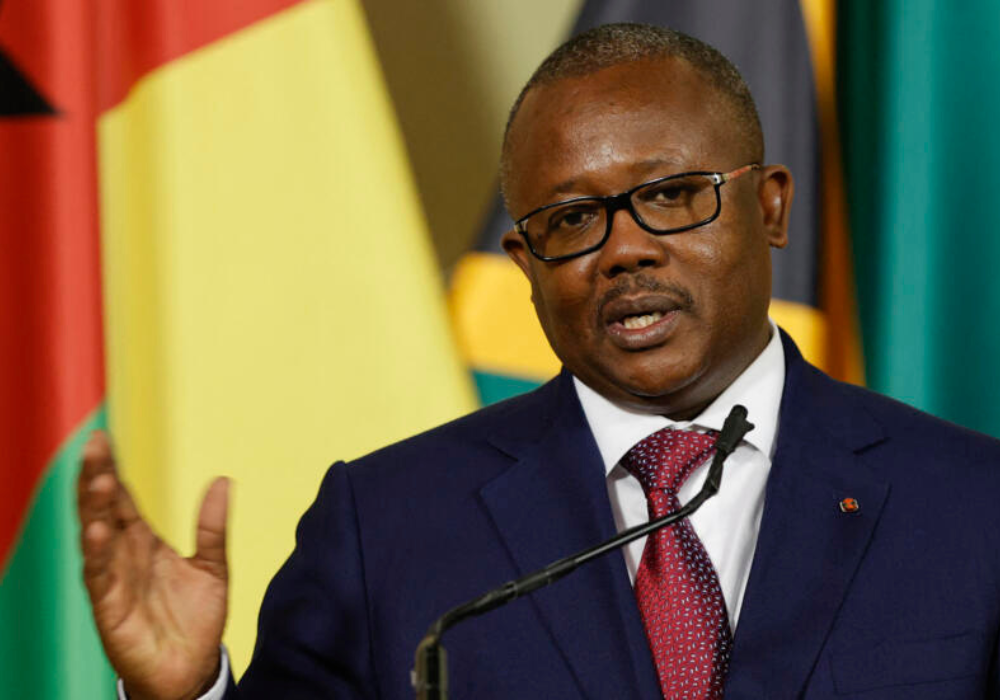
The President of Guinea-Bissau, Umaro Sissoco Embaló, has announced to the press that presidential elections will be held on November 30, 2025. This followed a meeting with Senegalese Prime Minister Ousmane Sonko.
A Contested End to the Mandate
The question of the end of the presidential term remains a bone of contention in the country. The opposition, led by former Prime Minister Domingos Simões Pereira, is calling for Embaló to step down on February 27, 2025. However, the Supreme Court has set the official end of the mandate for September 4, 2025. Embaló maintains that he will remain in office until his successor is sworn in.
This political crisis was exacerbated by the dissolution of Parliament in December 2023 and the appointment of a “presidential initiative” government.
Regional Consensus-Building Initiatives
In January 2025, the President had raised the possibility of holding the poll between October and November. Currently, a joint ECOWAS-UNOWAS mission, led by former Nigerian Minister of State for Foreign Affairs Bagudu Hirse, is conducting consultations with the government and political players to promote consensus on the electoral timetable. This mission will end on February 28.
Economic Resilience to Social Challenges
On the economic front, Guinea-Bissau is showing a degree of resilience. The IMF forecasts GDP growth of 5% in 2024. However, social challenges persist, with poverty rising by 2.8 percentage points between 2018 and 2021, according to the World Bank.
Conclusion
Guinea-Bissau is preparing for a crucial electoral deadline in a tense political context. The holding of elections on November 30, 2025 represents an essential step towards restoring institutional stability. The success of this transition will depend on the ability of the political players to reach a consensus, and on the commitment of regional partners to support the democratic process.


