


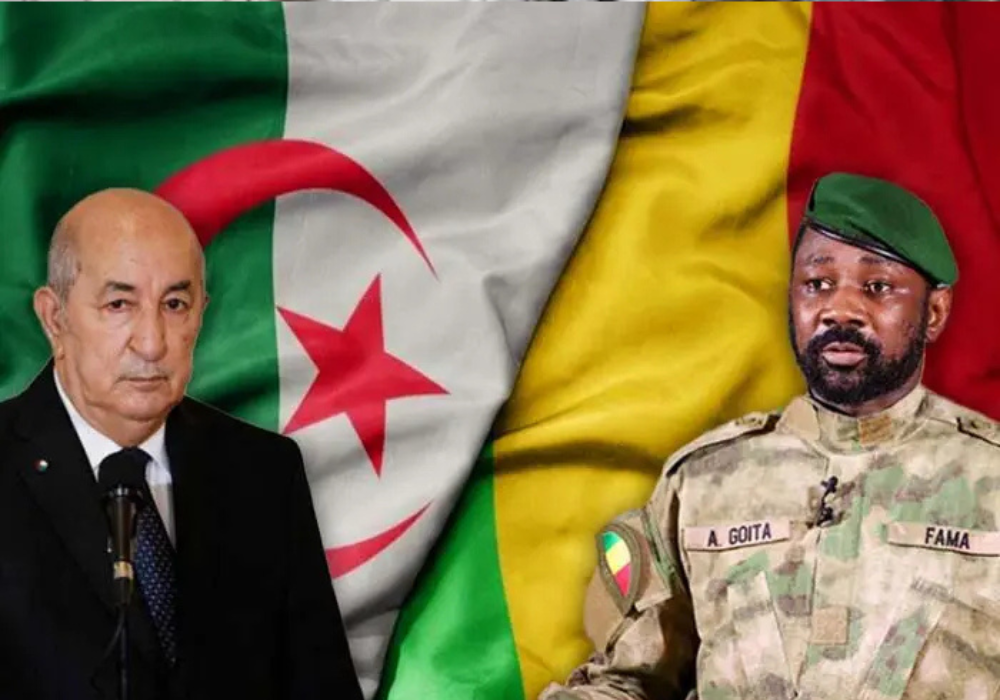
Growing tensions between Mali and Algeria: misinformation fuels the conflict
An unprecedented diplomatic crisis
Since the destruction of a Malian drone by the Algerian army at the border, tensions have risen between Bamako and Algiers. In the space of a week, the two countries have recalled their respective ambassadors and closed their airspace, marking a clear break in bilateral relations. But beyond political decisions, another front has opened up: that of information, or rather disinformation.
Social networks, amplifiers of false rumors
A flood of infoxes is circulating massively on TikTok, X (ex-Twitter) and other platforms. Numerous hijacked videos claim to show clashes between the Malian and Algerian armies – which is totally untrue.
- A striking example: a viral video showing light tanks advancing along a track, presented as a Malian advance into Algerian territory. In reality, these images are dated and show American Stingrays used only by the Thai army.
Old images recycled to disinform
Among the most frequently viewed content is a video of two Algerian fighter jets in the skies over Mali. This scene, taken out of context, actually comes from a report broadcast on Arte in 2012, well before the current rise in tensions. However, it is used today to manipulate opinion and make people believe in military aggression.
Rumors of foreign involvement intensify
Added to this war of image is a wave of rumors concerning the involvement of foreign actors:
- Marshal Haftar is said to have sent Libyan troops in support of Mali, according to some accounts – an allegation without any proof.
- Iran is accused of having supplied suicide drones to the FAMA, again without any concrete evidence to back up this claim.
On the Algerian side, similar rumors are spreading, contributing to growing mistrust and hostility.
A well-honed disinformation ecosystem
Behind this campaign is a network of influential accounts, notably on TikTok, with hundreds of thousands of subscribers. Some of the creators express themselves on camera, while others publish edited and viralized videos, fueled solely by the dissemination of false information. Their aim: to generate buzz by exploiting an explosive geopolitical climate.
A digital battle that radicalizes opinions
Disinformation has become a weapon of mass polarization. Each camp – pro-Malian or pro-Algerian – has its own digital figureheads, amplifying antagonistic narratives. This digital battle feeds grudges, exacerbates tensions and leads to a hardening of discourse within online communities.
Conclusion
At a time when relations between Mali and Algeria are going through a critical phase, misinformation is playing a central role in the deterioration of the regional climate. By manipulating facts and disseminating false images, opportunistic actors are fanning the embers of a conflict that is still avoidable. This information war, waged with viral videos and unfounded rumors, represents a direct threat to regional stability. Faced with this situation, vigilance and verification of sources are more essential than ever.


