


German President visits Nigeria: Strengthening energy partnership
A strategic meeting in Abuja
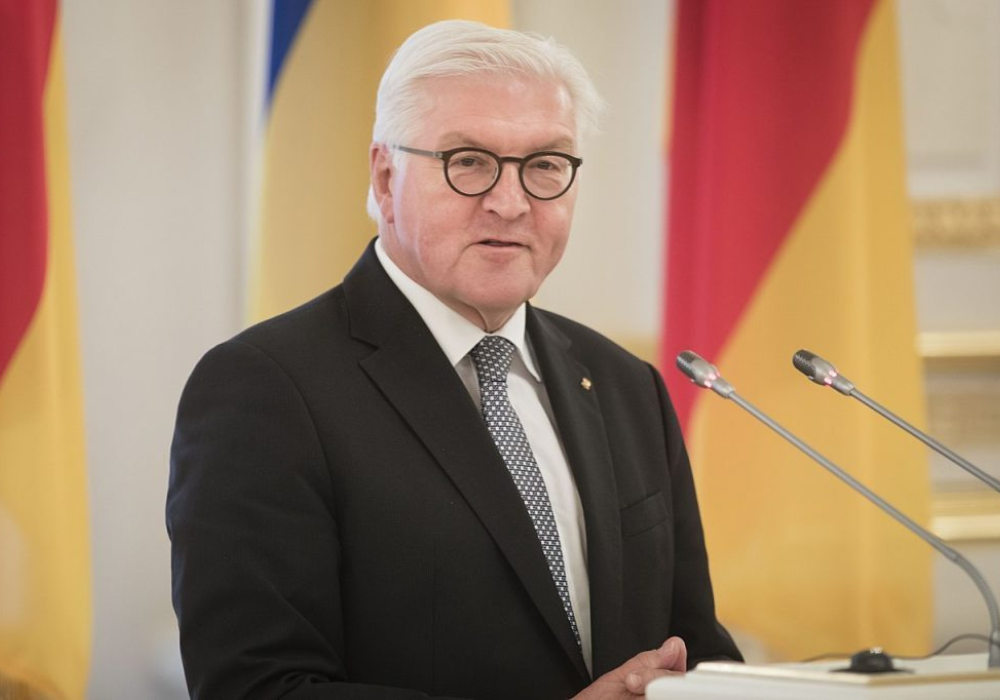
German President Frank-Walter Steinmeier has started a two-day official visit to Nigeria, where he met his counterpart, President Bola Ahmed Tinubu , in the capital Abuja. The visit highlights the growing importance of the energy partnership between the two countries, in a global context marked by the energy transition and diversification of energy sources.
In a joint statement, Mr. Steinmeier recalled that Nigeria and Germany share a strong and long-standing energy partnership. “We have with Nigeria one of the longest energy partnerships that Germany has ever had,” he said, stressing that this cooperation goes far beyond oil and gas.
Towards a joint energy transition
Historically focused on hydrocarbons, the energy partnership between Germany and Nigeria is increasingly moving towards renewable energies . According to Mr. Steinmeier, significant advances have been made in the fields of solar and wind energy . Now, the next big challenge for both nations will be the production of green hydrogen , considered a key lever for global decarbonization.
This strategic choice is in line with Germany’s objective to diversify its energy supplies while supporting its partners in a sustainable transition. For Nigeria, this collaboration offers an opportunity to monetize its vast natural resources while stimulating technological innovation in the energy sector.
An opportunity for the Nigerian economy
Nigeria, Africa’s largest economy, has significant hydrocarbon reserves but is still struggling to meet its domestic demand for electricity. Collaboration with Germany could pave the way for:
- Massive investments in energy infrastructure , including solar and wind power plants.
- The creation of local jobs linked to the development of green technologies and the production of hydrogen.
- Strengthening access to electricity for the millions of Nigerians still deprived of this essential resource.
Geopolitical and economic implications
Beyond energy issues, this visit is also part of a broader geopolitical framework. Germany is seeking to strengthen its economic ties with Africa in response to global geopolitical tensions and the need to diversify its trading partners. Nigeria, as a regional economic leader, plays a central role in this strategy.
For his part, President Tinubu hailed the visit as a strong signal of German support for Nigeria’s development. He also stressed the importance of finding a balance between the exploitation of traditional resources and the demands of environmental sustainability.
A promising partnership
The focus on green hydrogen is particularly ambitious, as it is an emerging technology that holds immense promise for reducing carbon emissions. Germany, which has invested heavily in research and development of this technology, sees Nigeria as a strategic partner for hydrogen production and export.
Conclusion: cooperation with a view to the future
Frank-Walter Steinmeier ’s visit to Nigeria demonstrates the shared desire of both nations to build a robust and sustainable energy partnership. With a focus on renewable energies and hydrogen, Germany and Nigeria are embarking on a path that could not only meet tomorrow’s energy needs, but also contribute to the fight against climate change. This cooperation also illustrates Africa’s growing role in global energy solutions.


