


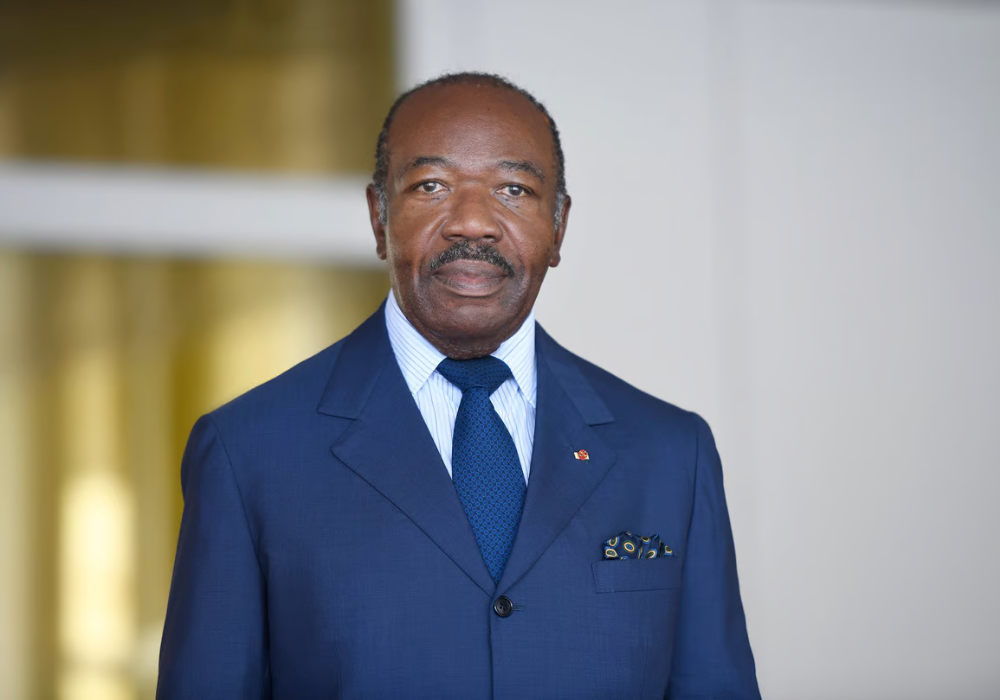
Gabon: “What is rejected in the Bongo legacy is not Omar the father, but Ali the son”.
A presidential election marked by transition and a break with the Bongo legacy
Gabon enters a new political era with the resumption of official campaigning for the presidential election, which begins this Saturday. Eight candidates are vying for the supreme office, in a ballot scheduled for April 12, 2025. This election comes after the coup d’état of August 30, 2023, which toppled President Ali Bongo Ondimba, ending decades of family rule begun by his father, Omar Bongo. The context is particular, as the transition of power, marked by political and social tensions, is seen as a moment of break with the old dynasty.
Expectations for this election
The Gabonese people and observers expect this election to turn the page on a regime that has lasted more than 50 years, and to lay the foundations for new governance. The political transition is at the heart of the debate, particularly with regard to the promises of breakthrough made by Brice Clotaire Oligui Nguema, the current head of the transition. Oligui Nguema, who took power after the overthrow of Ali Bongo, founded his own political movement, the Rassemblement des Bâtisseurs, in order to gather a wide range of support for this transition period.
Rejecting the Bongo legacy: Omar vs Ali
In the discussions surrounding this election, a fundamental distinction seems to have been drawn between Omar Bongo, the father, and Ali Bongo, the son. While the legacy of Omar Bongo, who ruled the country for over 40 years, remains generally accepted, it is the figure of his son Ali that is now being rejected. According to Florence Bernault, a professor of sub-Saharan African history at Sciences Po Paris and a specialist in Central Africa, “What is rejected in the Bongo legacy is not Omar the father, but Ali the son”. This rejection is explained by the lack of legitimacy perceived by a large section of the population with regard to the way in which Ali Bongo inherited power and governed, particularly after his controversial re-election in 2023.
A tense election and a heavy legacy to bear
The coup d’état of 2023 profoundly upset the political and social balance in Gabon. Following massive protests against the last presidential election, marked by accusations of fraud, many Gabonese are hoping that this election will initiate genuine reform of the political system and institute more transparent democratic practices. The question is whether Brice Clotaire Oligui Nguema, as head of the transition, has truly kept his promises to break with the old regime, or whether his arrival in power simply represents a new facet of the same system.
The challenges of transition and the promise of change
As the country prepares for a crucial election, Florence Bernault reminds us of the importance of understanding the country’s internal dynamics and the historical impact of the current transition. The question of political heritage and the break with the past is at the heart of the debate. The vote on April 12, 2025 could well mark a decisive turning point for the future of Gabon, by determining whether a genuine democratic transition can take place after decades of authoritarian rule.
Conclusion: A historic turning point for Gabon
The Gabonese presidential election of 2025 is therefore taking place in a context of rupture, following the coup d’état of 2023. The essential question remains: will Gabon succeed in overcoming its political past and bringing about genuine change, or will the country continue to live under the weight of a legacy that is difficult to erase? Voters and the international community alike are waiting for clear answers, in the hope that this election will mark a real start to a new democratic era.


